
| 973 |
First documented mention of Mansfeld |
| 1229 |
The older Castle is mentioned for the first time
|
| 1400 |
Mansfeld receives town privilege.
Decisive for the development of the city Mansfeld was the copper and silver mining in the Middle Ages, the copper processing in the furnaces into tradable goods and the export of over 4000 tons of copper and sizable amounts of silver annually into most of Europe.
|
| 1484 |
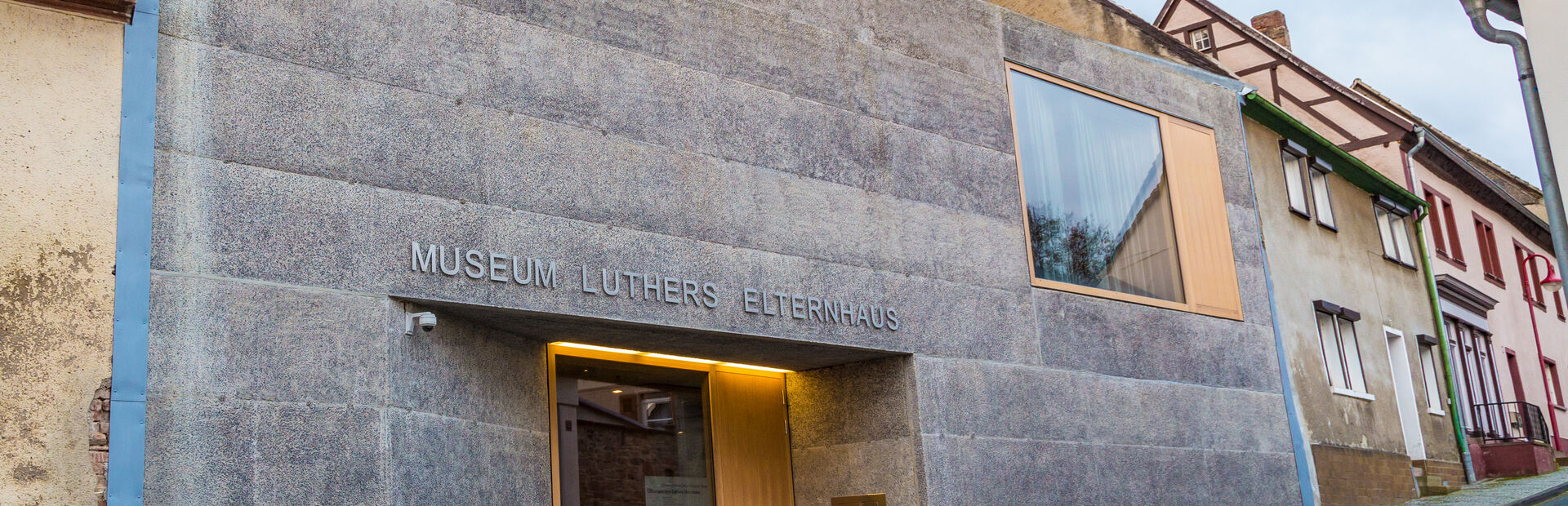
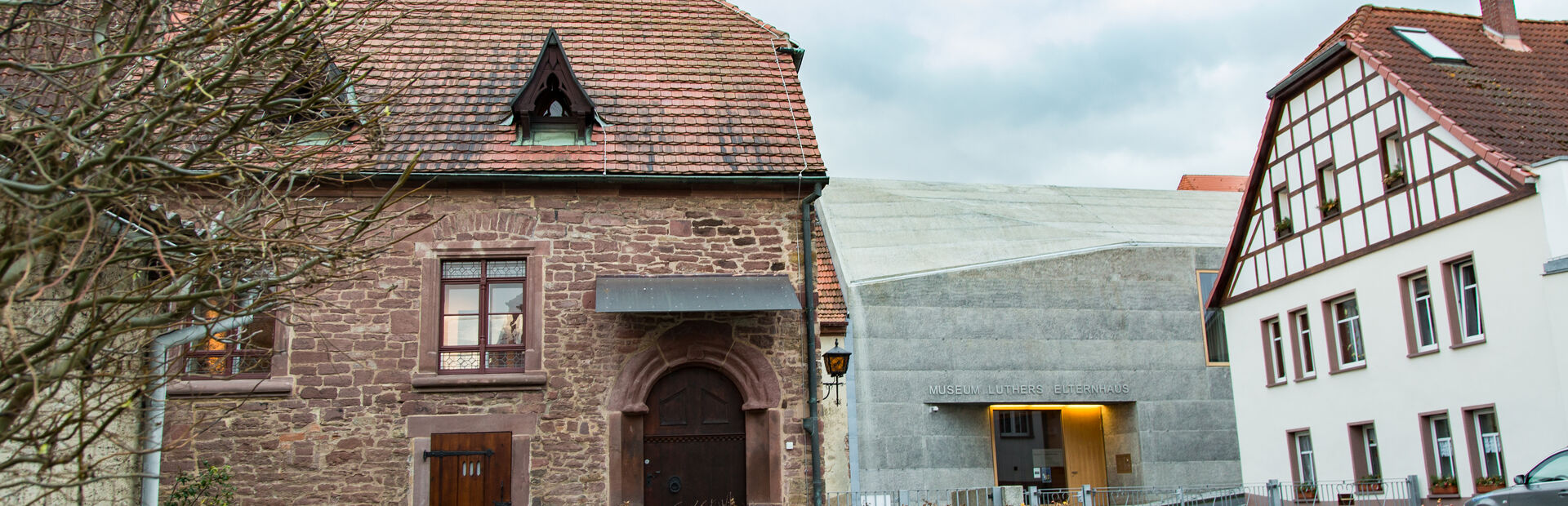
Hans Luder, Martin Luther’s father, came to Mansfeld to work in the mining industry. Through his son Dr. Martin Luther, who grew up here, Mansfeld gained in recognition beyond the borders of the country.
Other prominent citizens were the Chronicler of the Earldom Mansfeld, Cyriacus Spangenberg and the Naturalist Franz Wilhelm Junghuhn.
|
| 1501 |
The castle grew through numerous inheritances into one of the most powerful fortresses of its time.
|
| 1815-1952 |
Mansfeld county seat of the then called Mountain Region
|
| 1950 |
Mansfeld and the viillage of Leimbach build an administrative unit called Mansfeld/Oberstadt and Mansfeld/Unterstadt.
|
| 1990 |
Mansfeld – becomes an autonomous city
|
| 1993 |
Creation of the joined communities of:
- Mansfeld-Lutherstadt
- Großörner
- Biesenrode
- Gorenzen
- Möllendorf
- Piskaborn
- Vatterode
|
| 1996 |
The city Mansfeld receives the distinction „Lutherstadt“, known as the “City where Luther lived”, which is considered an honor.
|
| 30.10. - 01.11.1998 |
Mansfeld was host to the 1rst. „Festival of the Reformation“ held by the European Tourism Association „ Sites of the Reformation“ e. V. which has since been held annually in different German Cities. |
| | |
| ab 01.01.2005 Einheitsgemeinde Stadt Mansfeld mit den Orten: |
- Mansfeld-Lutherstadt
- Großörner
- Biesenrode
- Gorenzen
- Möllendorf
- Piskaborn
- Vatterode
- Annarode
- Siebigerode
|